Best VR Headset 2026: Quest 3 vs Vision Pro vs PSVR2 — One Costs 10x More, and It's NOT the Gaming Winner
Real specs, real prices, and an honest verdict on which VR headset actually wins for gaming and value in 2026.
Updated September 15, 2026: Valve launched the Steam Frame on September 14 at $1,059 (256GB) and $1,299 (1TB), and Meta raised the Quest 3 to $599.99 in April. Prices and specs below are refreshed. After Meta Connect 2026 there is no new Quest: what comes next is Meta VR Glasses, in 2027 (what Meta announced).
The 2026 Showdown: $350 vs $3,699
Three headsets, three completely different philosophies. The Meta Quest 3S starts at $350, the PSVR2 hovers around $400–550 depending on the deal, and the M5-powered Apple Vision Pro jumped to $3,699 back in June 2026. Yes, you read that right: one costs more than ten times the other.
So does the priciest one win? Honest spoiler: for gaming, no. Before you drop a small fortune, let's break all three down piece by piece — real specs, no fluff, and a straight-up verdict.
Meta Quest 3 & 3S: The Value King
This is the all-in-one champ: no console, no PC required. The Quest 3 ($599.99 for 512GB since Meta's April 2026 price increase) packs 2064×2208 LCD panels per eye, crisp edge-to-edge pancake lenses, a native 120Hz display (up to 207Hz since Horizon OS 2.7), and full-color mixed reality. The 3S is the budget pick (same Snapdragon XR2 Gen 2 chip, different lenses) starting at $350.
Its secret weapon is the library: 500+ native titles plus full SteamVR/PCVR access over Link cable or Air Link if you've got a gaming PC. Wireless, versatile, and affordable — in our opinion, the smartest buy for most people in 2026.
PSVR2: OLED, HDR, and Immersion That Grabs You
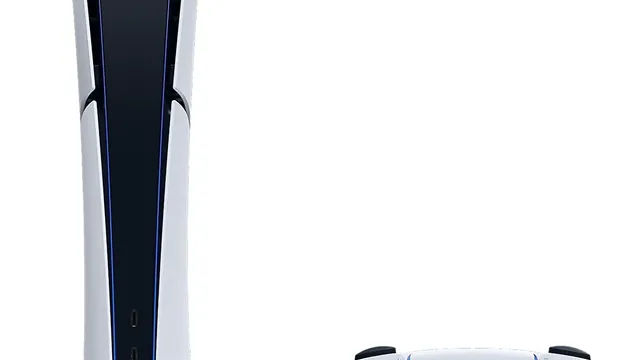
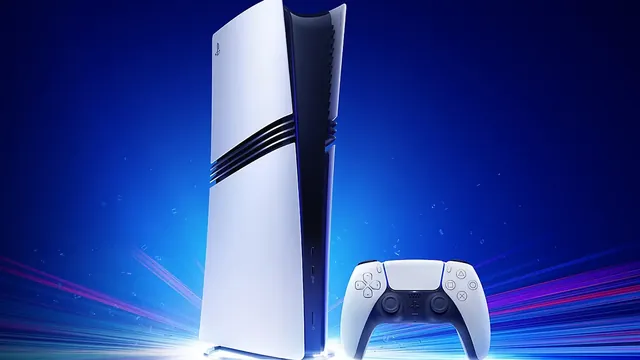
If you already own a PS5, the PlayStation VR2 is a gem. Dual OLED panels at 2000×2040 per eye, HDR, deep blacks, a 110° field of view, eye tracking with foveated rendering, and Sense controllers with adaptive triggers plus haptics built into the headset itself. For horror and single-player immersion, it plays in another league.
The catch: it's wired and tied to the PS5 (or a PC via the official adapter, which drops eye tracking, HDR, and haptics). Smaller VR catalog than the Quest, but its exclusives punch way above their weight.
Apple Vision Pro: A Luxury Spatial Computer (Not a Gaming Rig)
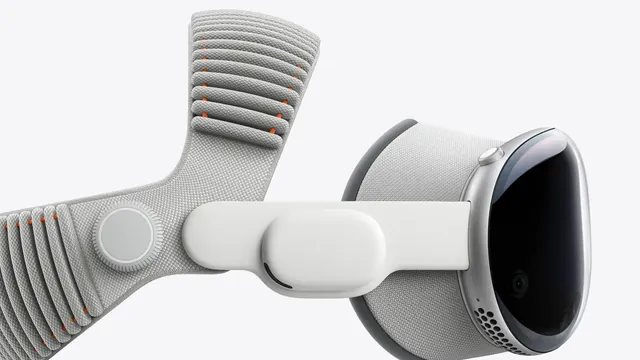
On paper it's a beast: micro-OLED at 3660×3200 per eye (the highest resolution of the bunch), an M5 chip, and eye plus hand tracking with no controllers needed. For movies, work, and so-called spatial computing, nothing touches it. Apple even added PSVR2 Sense controller support in visionOS 26.
But let's be honest: it isn't built for gaming, and its library of dedicated VR games is thin. At $3,699 and up, it's luxury and productivity — not the best money spent if all you want to do is play.
What about the Steam Frame?
Valve's new headset costs $1,059 (256GB) or $1,299 (1TB): Snapdragon 8 Gen 3, 16GB of RAM, 2160×2160 per eye at 72–144Hz, eye tracking and about 440 grams, running SteamOS on its own or streaming from your PC. Valve sells it directly in the US, Canada, the UK, the EU and Australia. Full breakdown: Steam Frame vs Quest 3 vs Quest 4 and How much is the Steam Frame?
Which VR headset should you buy in 2026?
Just getting into VR, or buying for the whole family? Quest 3S. A die-hard PlayStation fan chasing brutal immersion? PSVR2. Got budget to spare and love movies, work, and the latest from Apple? Vision Pro — but not mainly for the games.
Our verdict (and it's an opinion): for gaming and value, the Quest 3/3S wins for almost everyone; the PSVR2 takes the immersion crown if you already have a PS5; and the Vision Pro is the most advanced of the three, but not the best one to actually play on.
Before you buy: try one first
Buying a headset blind is a lot of money. Spend 20 minutes in a friend's headset or at a store demo first: comfort, fit and whether you get motion sick are things no spec sheet can capture. Our guide to what you need for VR covers the rest.